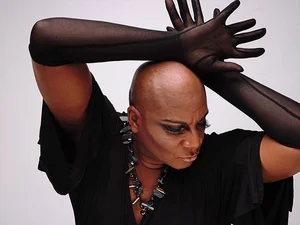
Joking as Vocation
Saying “just joking” don’t make it a joke, y’all — for realz!
People say all humor stems from a kernel of truth. Practical jokers are often seen as people who have insecurities, who work them out in the soft “abuse” of shock, surprise and knocking others off center. I’ve been notorious for it. I owed the phrase “just kidding.” It’s been such a part of who I am that my name became synonymous with enigmatic behavior and statements. I express myself in riddles and hold up funhouse mirrors to the world around me. I’ve been a real asshole about it too, with reactions to my jibes gamuting nervous giggles to a punch in the face.
I was just joking. That doesn’t mean I didn’t intend to rouse people with my word games and eccentricities. I fit all the definitions too, not just the cute harmless cut up. I am the card that doesn’t quite fit in the playing deck, accept as a wild card. I have been the person of disrepute. I am the clause added that makes everything else seem pointless. What I didn’t know then, that I know now, was that I was playing an essential role, although a thankless one.
The European depiction of joker (jester, fool, etc.) has the character basically shucking and jiving for royalty. They brought a little merriment to an otherwise dull court life. The joker was also the person who brought the bad news to the monarch. That tradition in Africa (especially the Wolof) and among indigenous tribes of Turtle Island (AKA the Americas) are a role in service of the whole community. Their role includes saying the shit that other people are afraid to say. They are the social critics.
I didn’t appoint myself joker. I am the culmination of a blood line of survivors who likely had to be clever AF to survive the trials that beset my ancestors. “Shining” described the act put on by Africans in captivity (and forced into labor) to appease their captors and stave off harsh punishment or even death. Mel Watkins breaks down the whole tradition of Black humor in their book “Laughing, Lying, and Signifying.” The movie Dolemite Is My Name depicts real-life comedian Rudy Ray Moore who signified their way to stardom.
I ain’t saying I’m special, other than we all special or we wouldn’t be here. The Universe is efficient and doesn’t waste time or energy. Every community, family, or whatever group will likely give birth to a joker. Jokers are “black sheep” and trouble makers. They are critical thinkers, exploiting the contradictions around them. I’ve been lucky enough to find a line of work where being the Joker is a privileged position. I use joking techniques as a teacher, as a director and as a Theater of the Oppressed facilitator. Like I said, I’m notorious for it. Mind your fingers and toes.
—Notorious Pink