Dick Pic Apologist
Sometimes, putting up with d*cks is just part of it, y’all—for realz!
I’ve tapped my roots in erotica (having published several erotic stories in the 90’s) and now I’m making erotic content which I ultimately post on social media with a content warning. Some people would just call it pornography. I’d label myself an exhibitionist, and you’d likely agree. I’m okay with the labels people need to use, it allows me to defy their expectations and, hopefully, liberate the labeler from their own limited thinking. I share it here as the backdrop of a story that might have occurred in any arena, but the story centers around an erect penis and could benefit from some context.
I get hit up a fair amount by people who want to make content with me. Most of the time, they are looking for an excuse to chat about sex with false pretense. I’ll certainly checkout their profile and if I like what I see we can have a conversation. It will usually go to some video platform and sometimes an in-person meet over coffee. It’s usually obvious if it’s gonna happen. When it works, I can get a few posts out of a single collaboration. It means, though, I get a lot of pictures sent of people’s body parts, mostly phalluses.
A guy hits me up. He offers praise on my content (a recent post had topped 3K views in about a week). I’m susceptible to flattery and [TRIGGER WARNING] I’m a slut. It turned out they were local, so I wanted to see what they had on offer. I asked them to share their feed, and they said “No.” Then they added they were trying to get with me sexually, in language that would get this post flagged. I sent back an interrogation mark. He sends a video clip near angle of his massive tool, brandishing. I had to squint from the glare. I complained how many erect penises I review daily, and how they all start to blur. I came close to lecturing.
He responded, and rightfully, that I’d asked to see their stuff. I had. As tedious as it is, I signed up for looking at people’s jewels. I certainly subject the world to mine. I established a space of body positivity and here I was judging his body, however isolated the part. I had intentionally body shamed this person, even though I feel my reaction was justified. Still it’s a human being and I don’t know his story. I don’t know what it took for that person to make and send a video. That might have been his best interpretation of what he thought I wanted. I have doubts, but I don’t know and it’s a little arrogant of me to be setting expectations on people without their permission.
I apologized and sent what I hope were clear instructions.
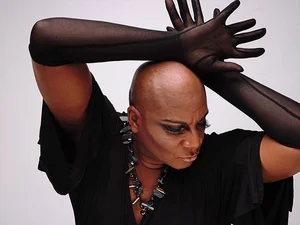
I’m gonna save the preachy stuff and say that offering the apology made me feel like the Goddess I am—it makes me feel good. It fills me with a sense of grace. I get taller than my near seven feet. I walk away in gratitude. I may have even paved the road for something worthwhile, or even lifted someone else with a touch of my own humility. I still don’t like disembodied penises in my inbox. I have the right to have boundaries and to respect them even when I can’t articulate why, when it comes to what I want and/or allow in my space. It has me lifted, in addition to seeing my own work to be done.
— Notorious Pink