Insult to Independence
This Independence Day is an insult, y’all — for realz!
So, you got a day off. In the system of wage labor we live in, here in the USA, a day without what we call work, is reason enough to celebrate. I get it’s a traditional day of outdoor gathering and food binging. With so many of my friends—including one who is a neuroscientist—experiencing food insecurity, the gluttony of yet another holiday is ever more triggering. It feels like exaggerating until I open my own refrigerator and see that it is not. Like many Americans, I’ll be choosing from among expenses for travel, family, food, healthcare, utilities and housing costs. Not all of those will be paid.
I don’t feel free. I feel engaged in a struggle for freedom. I think about the State attacks on my body—direct attacks veiled as protecting people. I imagine the various political teams huddled like the high school football team, congratulating themselves on having flexed their political muscle. I don’t imagine the specifics of these wins matter at all to them. I don’t back these teams I am losing patience with those who back these teams and oppose others as if any of this garbage is meaningful.
This July 4th, I am going to reflect on my experience as a US citizen who has been the target of violence in, and by my own country. Under that consistency of violent action, I’ve been advised that the best way to change the system is to participate. Those bits of wisdom land on me like [TRIGGER WARNING] as if I were a rape victim, under the attack, screaming for assistance. and being told I have to follow the process. The idea of stopping my attacker never seems to rate as the right way to protest.
We Americans (US citizens) must be a contemptible bunch of people that we are held in such low regard by our trusted servants. That’s the real conversation. How have we earned the contempt that makes our well-being so low a priority, and what is being prioritized instead? I’ve lost track of what any of this being part of a society, being part of a nation, is even about. I need a crash course im what The United States of America stands for. I need a reset.
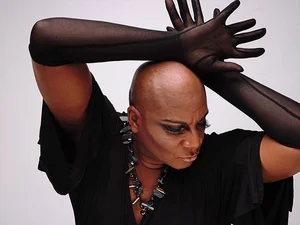
I know I’m not free. I know I am in danger. My Blackness placed my liberty in question. Being trans limits my freedom. I won’t curse America, or judge those who choose to celebrate the country today. I won’t join you. I won’t wave flags. I will be silent for the parade. I may harness that gathering spirit and host friends. It will be more of a wake. I’m waiting for requiems to the day that will resonate. You will not see flesh on my grill. I hope I find some peace today. I’m all out of patriotism.
—Notorious Pink